A band arrives with instruments, session files, and a limited block of studio time. If the first conversation is about which version of the chorus is final, the room is already being used for work that could have happened beforehand.
Bring a clear session map
Before a recording session, share the song structure, tempos, reference tracks, and any existing demos with the engineer. Mark the sections that still need decisions, too; a rough verse arrangement is useful context, while pretending every choice is settled can slow the session down.
Prepare files with understandable names and bring the original session or exports in a format the studio has confirmed it can open. If the project depends on particular software, plugins, or sample libraries, say so in advance rather than discovering a missing dependency at the workstation.
Separate setup from performance
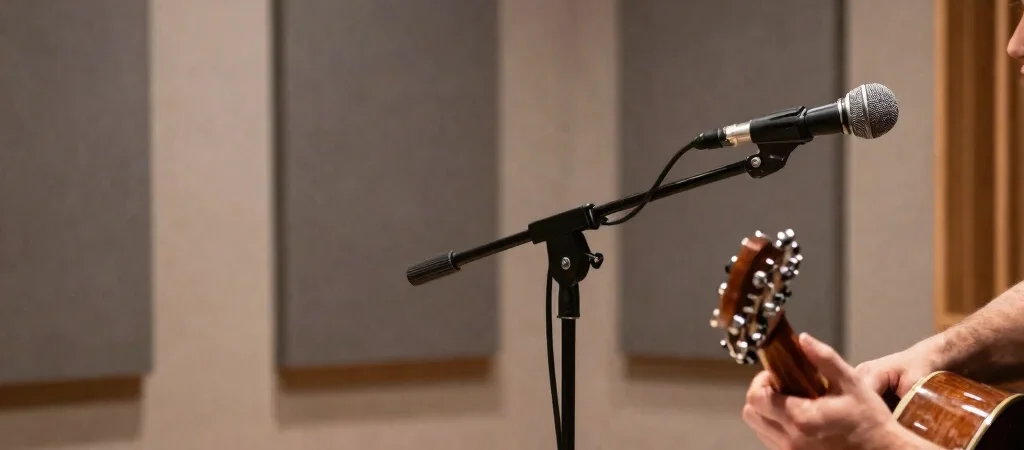
A useful session plan leaves time for microphone placement, headphone balance, and a short level check before the keeper takes. For vocals, that may mean confirming a comfortable headphone mix and pop-filter position; for a guitar amp, it may mean listening from the control room before deciding whether to move the microphone.
Not every detail needs to be locked before anyone plays. The point is to handle avoidable logistics early so the musician and engineer can listen, make choices, and adjust when the sound in the room suggests a better direction.
Ask about the handoff
Before booking, clarify what the studio service includes and what files or deliverables you will receive. Recording, editing, mixing, and mastering are different stages, so agree on the scope, schedule, and file handoff rather than assuming one service automatically covers the others.
A practical next step is to send the studio a concise brief with your project goal, likely track count, references, and open questions. That gives both sides a shared starting point—and keeps session time focused on the sound.